Forest Trophy: The Vintage Font for Outdoor Branding
Every designer knows the feeling: you have a project that demands rugged authenticity, a touch of the wild, and a vintage soul. You need a typeface that doesn't just sit on the page but feels like it was carved from weathered wood or stamped onto a leather patch. This is where a distinctive display font becomes a critical creative asset, transforming a good design into a memorable one.
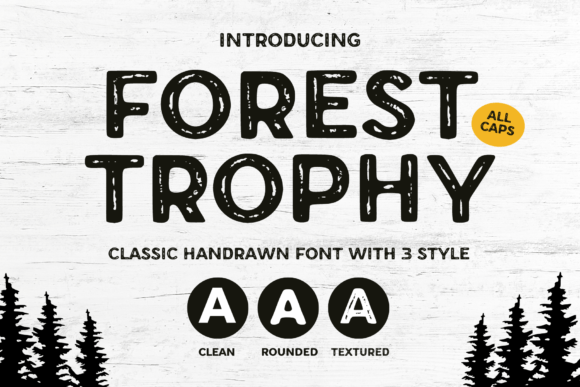
Enter Forest Trophy, a classic display font meticulously crafted to meet this exact need. Its defining feature is a rough, textured finish that imparts a natural and vintage impression, making it an invaluable tool for designers working in the outdoor and adventure space. More than just letters, it’s a visual shorthand for authenticity, heritage, and the great outdoors.
Why Texture Matters in Modern Graphic Design
In an era of clean, flat digital design, textured typography offers a powerful way to stand out. It adds depth, character, and an immediate emotional connection. A font like Forest Trophy, with its inherent roughness, communicates on a subconscious level. It suggests history, handcraft, and a connection to nature that sterile, smooth fonts often lack. This is crucial for effective visual communication, especially when the goal is to evoke specific feelings or align with a brand's core identity.
For branding and logo design, Forest Trophy can serve as the cornerstone of a brand's visual system. It instantly establishes a rugged, adventurous personality for outdoor apparel companies, craft breweries, camping gear brands, or eco-tourism services. The texture ensures the logo remains impactful whether it's embroidered on a hat, etched onto a flask, or displayed on a website header.
Practical Applications Across Creative Projects
The versatility of a well-designed textured font allows it to enhance numerous design workflows. Its impact is most pronounced in projects where a strong, authentic tone is required.
- Marketing & Merchandise: From event posters for music festivals to merchandise tags and packaging design, Forest Trophy adds instant vintage appeal. It ensures your promotional materials look intentional and crafted, not generic.
- Digital Presence: Use it for impactful hero text on websites, engaging social media graphics, or eye-catching thumbnails for digital products. The texture creates visual interest that helps content stand out in a crowded feed.
- Editorial & UI Design: While primarily a display font, it can be used sparingly in editorial layouts for pull quotes or section headers to break up monotony and inject personality. In UI, it can style specific buttons or banner text for apps related to hiking, travel, or outdoor activities.
Integrating Textured Typography Effectively
Choosing a font like Forest Trophy is just the first step. Successful integration into a design requires thoughtful execution to maintain professionalism and clarity.
Visual Hierarchy and Readability: A textured display font should command attention. Use it for headlines, titles, and key phrases where maximum impact is desired. Avoid using it for long body copy, as the texture can reduce legibility at smaller sizes. Always pair it with a clean, complementary sans-serif or serif font for supporting text to create a balanced and readable layout.
Consistency and Brand Systems: If you're building a brand identity, document how and when to use the textured font. Define its role within the broader typography system. Does it only appear in logos? Can it be used for campaign headlines? Establishing these rules ensures consistency across all touchpoints, from print design to web design, strengthening the overall brand identity.
Color and Composition: The rough texture interacts beautifully with color. It often looks stunning with earthy, muted palettes—think deep greens, browns, and slate blues. However, it can also be used with high-contrast colors for a more energetic, vintage poster feel. Ensure the background doesn't compete with the texture; sometimes a simple, solid color or a subtle grainy background works best.
Ultimately, the most successful designs are those where every element serves a purpose and tells a story. A font like Forest Trophy is more than a stylistic choice; it's a narrative tool. By selecting creative assets that align with your project's core message and applying them with an understanding of design principles, you elevate your work from mere decoration to meaningful communication. Thoughtful typography choices are a hallmark of professional presentation, directly influencing user engagement and the perceived quality of your brand or creative project.